Insights

Insights on APAC Power Markets, Storage & Grid

The energy transition is a one-way race against time — and APAC is the front line.

Independent review on renewables economics, storage economics, grid bottlenecks, and power market policies across APAC.

Filter by pillar

Filter by market

Latest articles

7 articles match your filters

Auction, Contract, or Merchant: Three Routes to Market for Philippine Solar Plus Storage

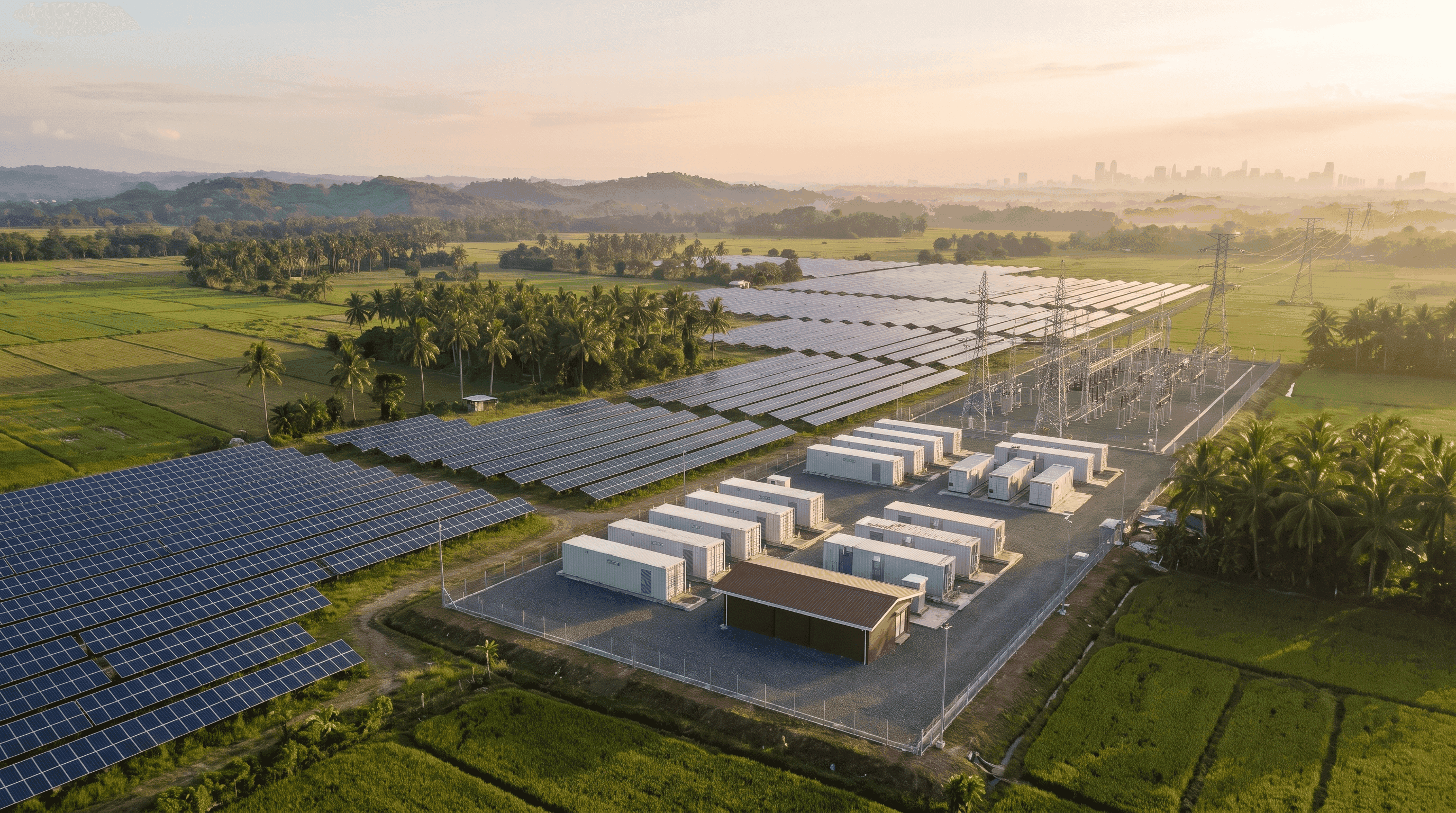
In February 2026, the Department of Energy made storage a condition of project development for large variable renewables. Department Circular No. DC2026-02-0008 requires prospective variable renewable energy plants of 10 MW and above to integrate energy storage equal to at least 20% of installed capacity. The mandate specifies the minimum storage power in megawatts and leaves discharge duration open. There are three route-to-market options, and each leaves the generator holding different commercial risks.

November 2026 · PH
The Real CRESS System Access Charge Is Still 18 Sen/kWh

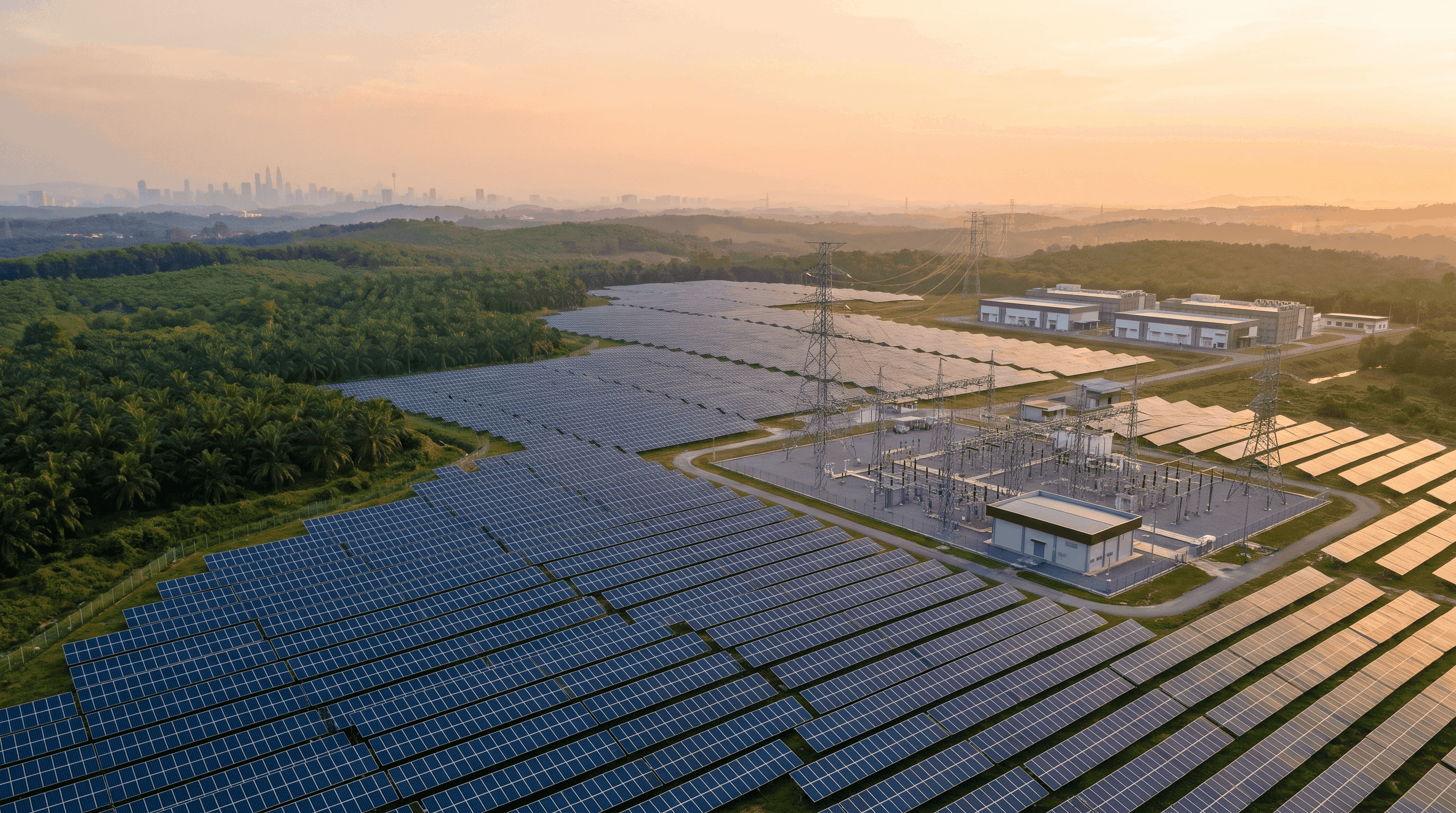
On 15 October 2026, the Energy Commission announced a 14 sen/kWh developer System Access Charge for qualifying firm supply under the CRESS Acceleration Package, fixed for 10 years from the commercial operation date, and a separate 4 sen/kWh charge on the customer. The real system access charge is still 18 sen/kWh. The split changes who is billed. In a buyer's market, customers are pushing that consumer-side charge back onto the developer through the bilateral contract.

November 2026 · MY

Korea Rewrites Who Gets on the Grid: Solar Connects Sooner, but the Project Carries the Curtailment Risk

On 29 September 2026, the Ministry of Climate, Energy and Environment took its Power Grid Innovation Plan to Cabinet. Two days later, the grid-management substation designation that had frozen new renewable connections across Honam since 2024 was lifted. Under the old rules, a new solar project in Korea’s main solar region could not expect a connection before 2034. For solar developers, that opens the door years early. It also swaps years in the queue for curtailment risk that sits with the project.

October 2026 · KR

The Duck Curve Is Here: What MTerra’s Arrival Means for Every Other Solar Developer in Luzon

The Luzon solar market has reached an inflection point: MTerra's energisation has made solar cannibalisation a live market condition rather than a future risk, and every developer in the pipeline — contracted or not — needs to understand how the deepening duck curve affects their revenue assumptions. The article frames three questions developers must now answer, flags the nodal basis risk that contracted offtake doesn't fully hedge, and closes by reframing the duck curve as the investment case for battery storage.

July 2026 · PH

Follow Patrick Tan Insights

Engage content via PT's WhatsApp Channel