
Patrick Tan

The energy transition is a one-way race against time — and APAC is the front line.

Independent review on renewables economics, storage economics, grid bottlenecks, and power market policies across APAC.

Read the Insights
10+ yrsConsulting experience for power and utility companies, specializing in power market and grid analytics.
10+ marketsAPAC power systems under active coverage, from Manila to Seoul.
9pillarsFrom storage economics and curtailment to market design and policy.
Active Market CoveragePHKRSGMYAUJPVNTHINCN
Why this platform exists

Accelerating energy transition while embracing artificial intelligence

The carbon budget is running down, and the world has quietly changed the subject. We're pouring our ambition into AI and the productivity it promises — a real gain, but a near-term one — while the energy transition, the gain that compounds over decades, slips down the agenda. I built this platform to keep that trade-off in view, because a livable planet is the one thing we don't get to rebuild.

More about Patrick Tan →
01 — Insights

Featured insights

View all →

Auction, Contract, or Merchant: Three Routes to Market for Philippine Solar Plus Storage

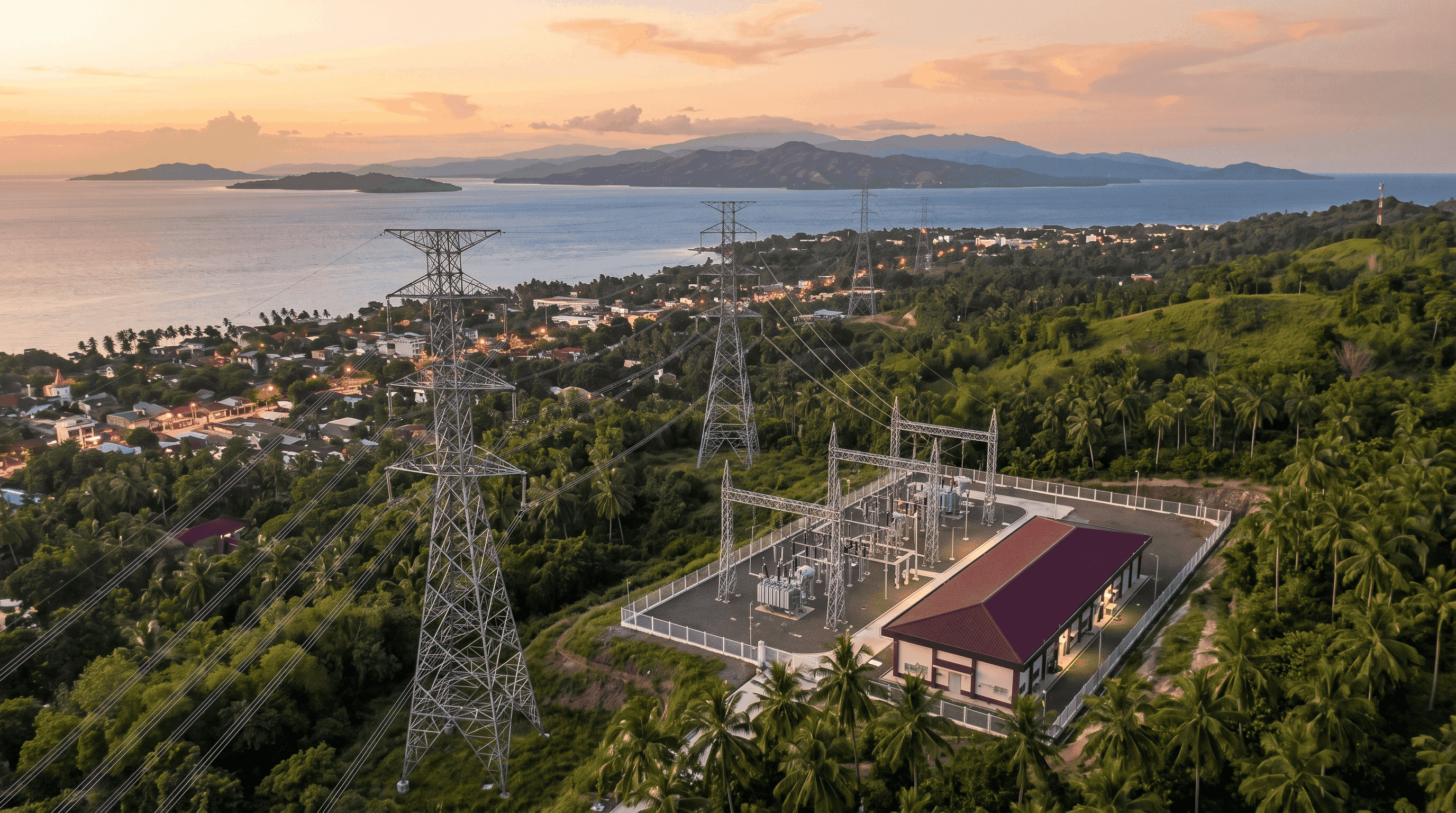
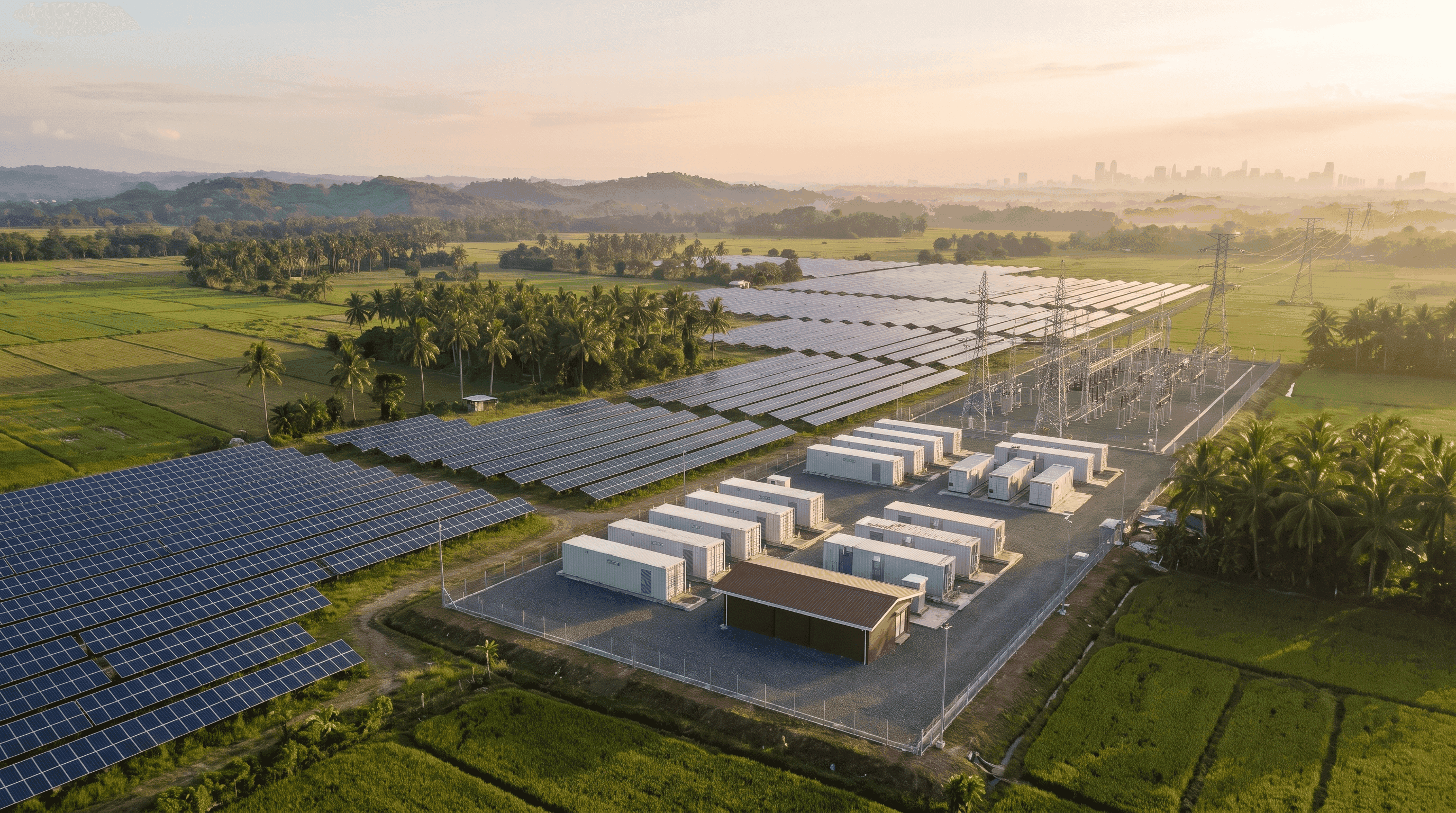
In February 2026, the Department of Energy made storage a condition of project development for large variable renewables. Department Circular No. DC2026-02-0008 requires prospective variable renewable energy plants of 10 MW and above to integrate energy storage equal to at least 20% of installed capacity. The mandate specifies the minimum storage power in megawatts and leaves discharge duration open. There are three route-to-market options, and each leaves the generator holding different commercial risks.

November 2026 · PH
The Real CRESS System Access Charge Is Still 18 Sen/kWh

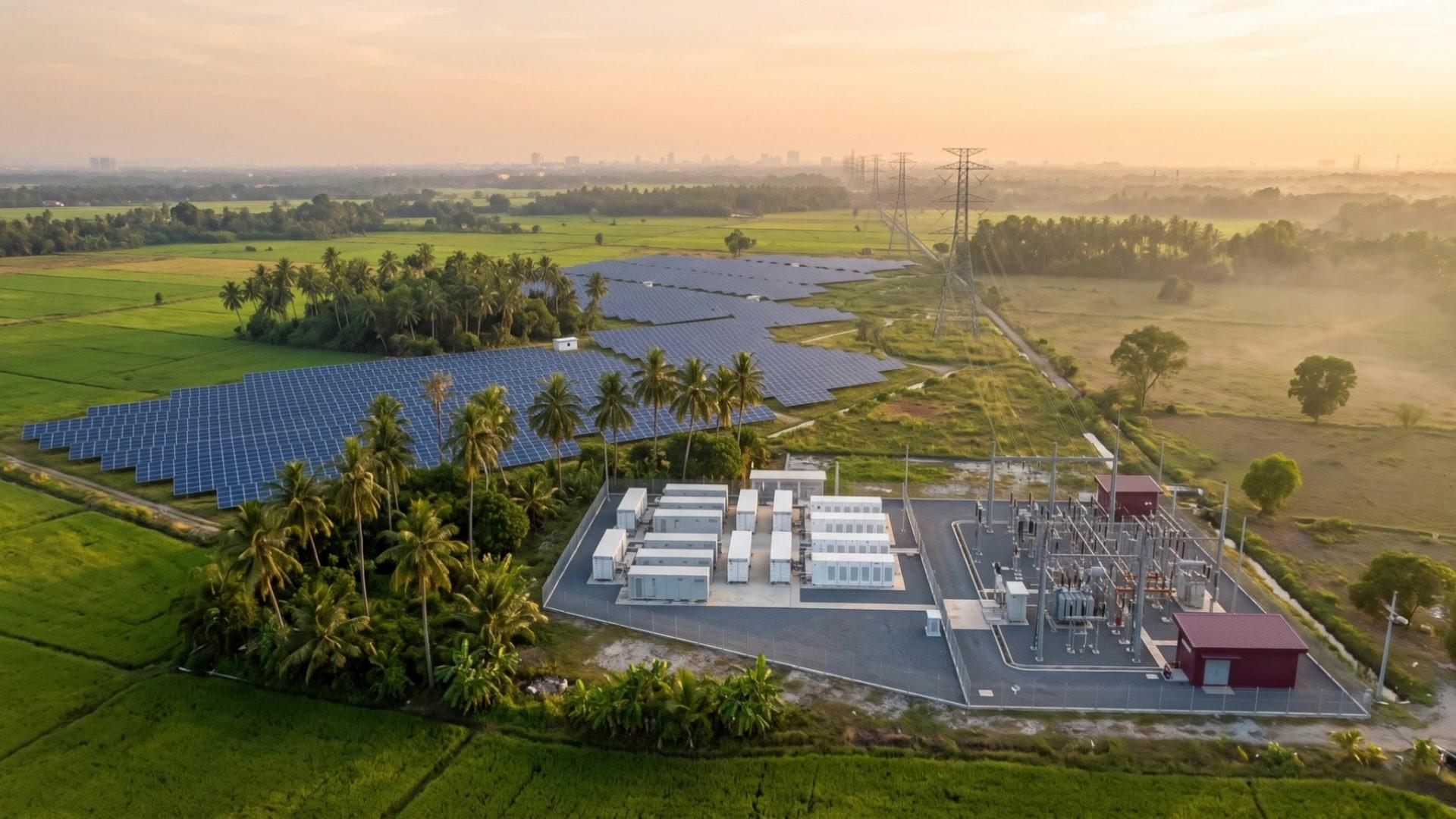
On 15 October 2026, the Energy Commission announced a 14 sen/kWh developer System Access Charge for qualifying firm supply under the CRESS Acceleration Package, fixed for 10 years from the commercial operation date, and a separate 4 sen/kWh charge on the customer. The real system access charge is still 18 sen/kWh. The split changes who is billed. In a buyer's market, customers are pushing that consumer-side charge back onto the developer through the bilateral contract.

November 2026 · MY

Korea Rewrites Who Gets on the Grid: Solar Connects Sooner, but the Project Carries the Curtailment Risk

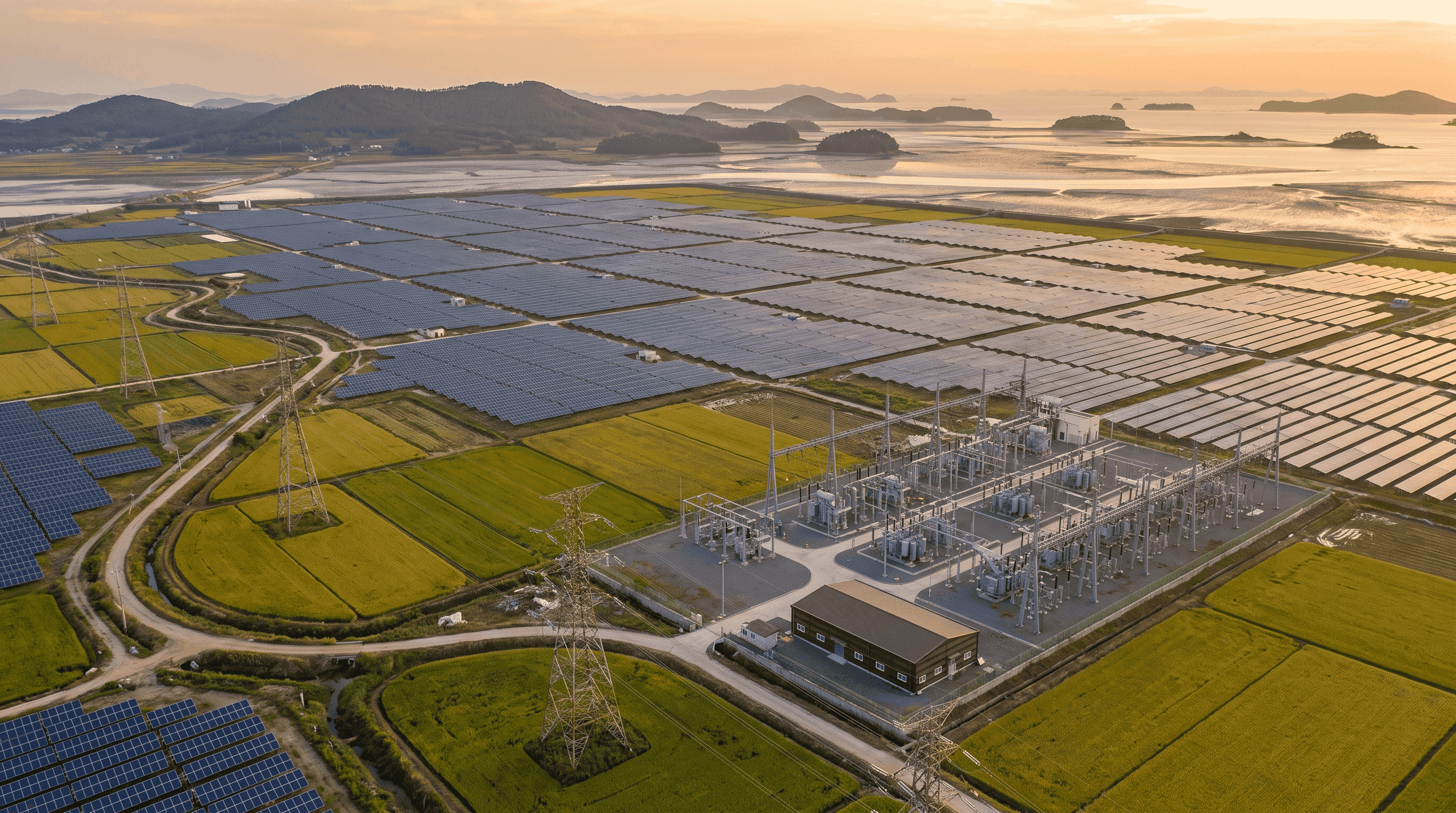
On 29 September 2026, the Ministry of Climate, Energy and Environment took its Power Grid Innovation Plan to Cabinet. Two days later, the grid-management substation designation that had frozen new renewable connections across Honam since 2024 was lifted. Under the old rules, a new solar project in Korea’s main solar region could not expect a connection before 2034. For solar developers, that opens the door years early. It also swaps years in the queue for curtailment risk that sits with the project.

October 2026 · KR

02 — Speaking & panels

Speaking & panels

My content here can spark interest — but real change needs more: debate, discussion, and the will to act. Join me at conferences across APAC to carry it forward.

Read more →
  1. 01From Vision to Viability: Developer insights on building a net zero future
  2. 02Navigating the Nodal Dynamics of the Philippines
  3. 03Beyond Megawatts: Market Signals Every Renewable Developer Must Watch
  4. 04Unlocking the Green Value with CRESS via Tariff Forecasts and SAC Projections